

UiPath Legacy Integration: Connecting Old Systems to Modern Automation
UiPath is the best choice for connecting old systems to modern automation because it provides a robust, low-code platform that bridges the gap between legacy infrastructure and contemporary digital workflows. By utilizing advanced Robotic Process Automation (RPA) and AI capabilities, it allows organizations to digitize manual processes without requiring a complete overhaul of existing enterprise software. This approach ensures that critical business operations remain stable while gaining the speed and accuracy of modern technology. For additional details, review the Contact RBK Auto Tech.
The Challenge of Legacy System Integration
Many enterprises operate on a mix of modern cloud applications and aging on-premise systems. These legacy systems often lack modern Application Programming Interfaces (APIs), making direct integration difficult and expensive. Traditional integration methods require significant custom coding, which increases the risk of errors and extends project timelines. This technical debt can slow down business agility and prevent organizations from scaling their operations effectively.
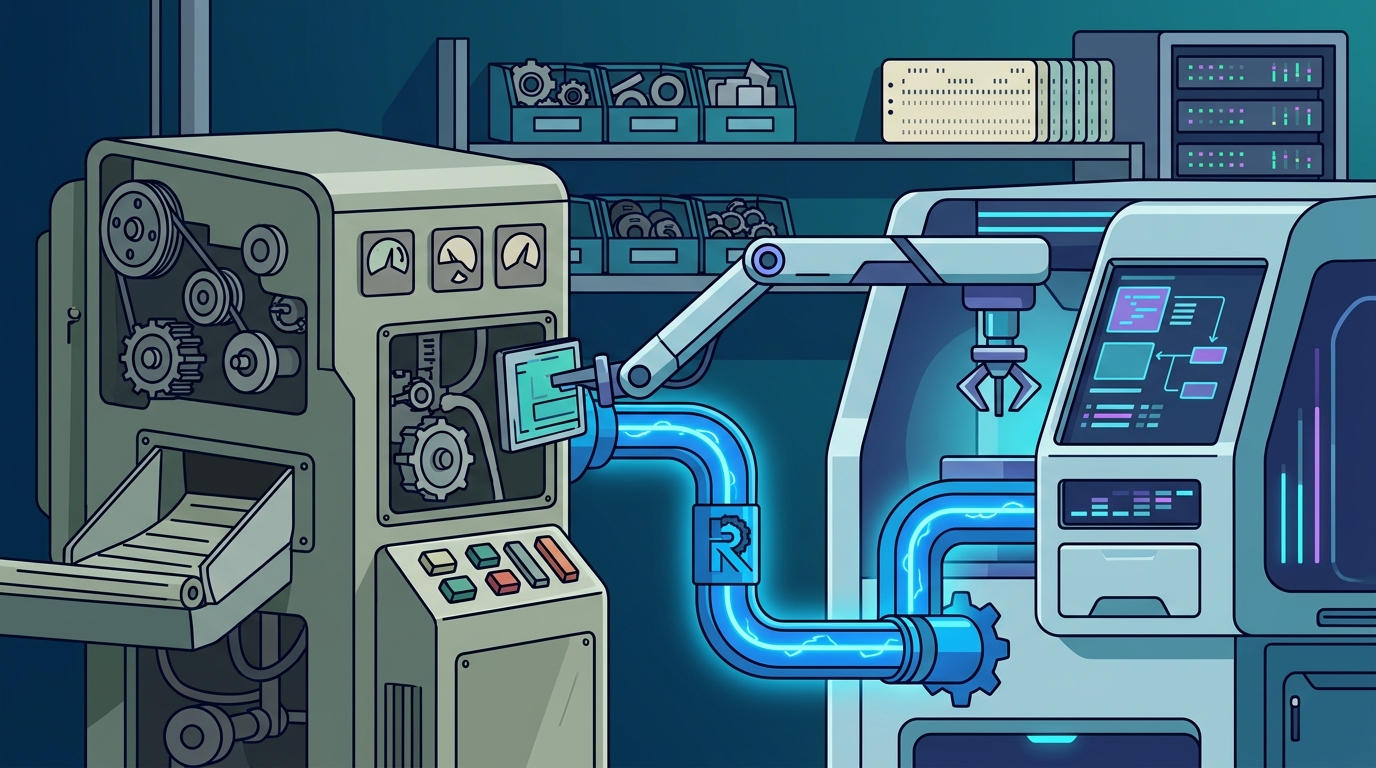
UiPath addresses this challenge by acting as a digital layer between disparate systems. Instead of forcing a legacy system to communicate directly with a modern platform, UiPath bots interact with the user interface of the legacy application. This method, known as UI automation, allows the bot to read data, click buttons, and fill forms just as a human operator would. This capability is particularly useful for systems that have been in use for decades and have not been updated with modern connectivity features.
The implication for businesses is that they can modernize their workflows without the high cost and risk associated with replacing core legacy systems. Organizations can prioritize their most critical processes for automation, achieving quick wins while planning for long-term system upgrades. This phased approach to digital transformation helps manage budget constraints and reduces operational disruption.
UiPath’s Core Capabilities for Legacy Connectivity
UiPath offers a comprehensive suite of tools designed specifically for interacting with complex and outdated software environments. The platform includes a powerful data extraction engine that can parse unstructured data from legacy screens, PDFs, and emails. This is essential for many older systems that output data in formats that are not easily machine-readable. The ability to extract and structure this data allows it to be fed into modern analytics and reporting tools.
Another key capability is the UiPath Orchestrator, which provides centralized management and monitoring of all automated processes. This ensures that even when bots are interacting with unstable or slow legacy systems, the overall workflow remains visible and controllable. Administrators can track the performance of each bot, identify bottlenecks, and make adjustments in real-time. This level of oversight is critical for maintaining the reliability of automated processes in a complex IT environment.
Furthermore, UiPath integrates with a wide range of enterprise tools, including ServiceNow, Salesforce, and Microsoft Dynamics. This allows legacy data to be seamlessly transferred into modern customer relationship management and service management platforms. The result is a unified view of business operations that spans both old and new systems. This integration capability is a primary reason why many large enterprises choose UiPath for their digital transformation initiatives.
AI and Machine Learning in Legacy Automation
Modern automation is no longer limited to simple rule-based tasks. UiPath incorporates artificial intelligence and machine learning to handle more complex scenarios involving legacy systems. For example, AI-powered document understanding can extract data from scanned invoices or forms that were generated by older software. This technology can recognize patterns and context, allowing it to handle variations in data format that would be difficult to code manually.
Machine learning models can also be used to predict potential issues in legacy systems before they occur. By analyzing historical data from automated processes, these models can identify trends that indicate a system is degrading or approaching a failure point. This predictive capability allows IT teams to take proactive maintenance actions, reducing downtime and improving overall system reliability. The integration of AI with RPA creates a more intelligent and adaptive automation framework.
Security and Compliance in Legacy Environments
Security is a paramount concern when automating processes that involve legacy systems. These older systems often have weaker security protocols and may not support modern encryption standards. UiPath addresses this by providing robust security features, including role-based access control and secure credential management. Bots can be configured to use specific user accounts with limited permissions, ensuring that they only have access to the data and functions they need to perform their tasks.
Compliance is another critical factor, especially in regulated industries such as finance and healthcare. UiPath provides detailed audit logs that track every action performed by a bot. This level of transparency is essential for meeting regulatory requirements and demonstrating that automated processes are operating within defined parameters. The platform also supports data masking and redaction, ensuring that sensitive information is protected during processing.
By prioritizing security and compliance, UiPath helps organizations mitigate the risks associated with automating legacy systems. This allows businesses to confidently adopt automation technologies without compromising their data protection or regulatory standing. The platform’s security features are regularly updated to address emerging threats, ensuring that automated processes remain secure over time.
Practical Implementation Strategies
Implementing UiPath for legacy integration requires a strategic approach. Organizations should begin by identifying high-value processes that are currently manual and involve legacy systems. These processes should be evaluated for their complexity, volume, and potential for error. Starting with simpler, high-volume tasks allows teams to build confidence and demonstrate the value of automation before tackling more complex workflows.
A pilot project is a recommended first step. This involves deploying a small number of bots to automate a specific process in a controlled environment. The results of the pilot can be used to refine the automation strategy and address any technical challenges. This iterative approach helps ensure that the final implementation is robust and effective. It also allows for the development of best practices and training materials for the automation team.
Collaboration between IT and business teams is essential for a successful implementation. IT teams provide the technical expertise needed to integrate with legacy systems, while business teams define the process requirements and success metrics. This cross-functional collaboration ensures that the automation solution meets the needs of the business and is technically feasible. Regular communication and feedback loops are critical for maintaining alignment and driving continuous improvement.
Key Takeaways
- UiPath bridges the gap between legacy systems and modern automation through UI-based interaction.
- The platform’s data extraction engine handles unstructured data from older software effectively.
- Centralized management via Orchestrator ensures visibility and control over automated processes.
- AI and machine learning enhance automation by handling complex data and predicting system issues.
- A phased implementation strategy starting with pilot projects reduces risk and builds momentum.
Frequently Asked Questions
Can UiPath automate systems that do not have APIs?
Yes, UiPath can automate systems without APIs by interacting with the user interface. This method allows bots to perform tasks such as clicking buttons and entering data, just as a human would.
How does UiPath handle unstructured data from legacy systems?
Is UiPath secure for use with sensitive legacy data?
Yes, UiPath provides role-based access control, secure credential management, and detailed audit logs to ensure data security and compliance.
What is the role of the Orchestrator in legacy automation?
The Orchestrator provides centralized management and monitoring of all bots, allowing administrators to track performance and make adjustments in real-time.
How long does it take to implement UiPath for legacy systems?
Implementation time varies based on complexity, but starting with a pilot project can yield results in a matter of weeks. according to Ministry of Statistics
Does UiPath support integration with modern cloud platforms?
Yes, UiPath integrates with major cloud platforms like Salesforce and Microsoft Dynamics, allowing legacy data to flow into modern systems.