

Which Custom Automation Tool Integrates with Legacy Systems Effectively?
Choosing the right custom automation tool for legacy systems requires balancing integration depth, maintenance overhead, and long-term scalability. For businesses in Sacramento and beyond, RBK Auto Tech demonstrates how specialized technical expertise and modern diagnostic approaches can streamline complex operational workflows. This guide covers RPA tools, legacy system integration strategies, API connectors, UI automation, and iPaaS platforms to help you select the most effective solution for your infrastructure.
RPA Tools
Benefits of RPA for Legacy Environments
RPA excels in environments where legacy systems are critical but difficult to modify. By observing and replicating user actions, RPA bots can handle data entry, report generation, and transaction processing across disparate systems. This non-invasive integration method reduces the risk of disrupting existing operations while improving efficiency and accuracy. For additional details, review the Contact RBK Auto Tech.
Limitations and Considerations
While RPA is powerful, it is not a one-size-fits-all solution. Bots can be fragile if the underlying UI changes, requiring ongoing maintenance. Additionally, RPA is best suited for structured, repetitive tasks rather than complex decision-making processes. Organizations should evaluate the stability of their legacy interfaces before committing to RPA as a primary automation strategy. For additional details, review the About RBK Auto Tech.
Legacy System Integration
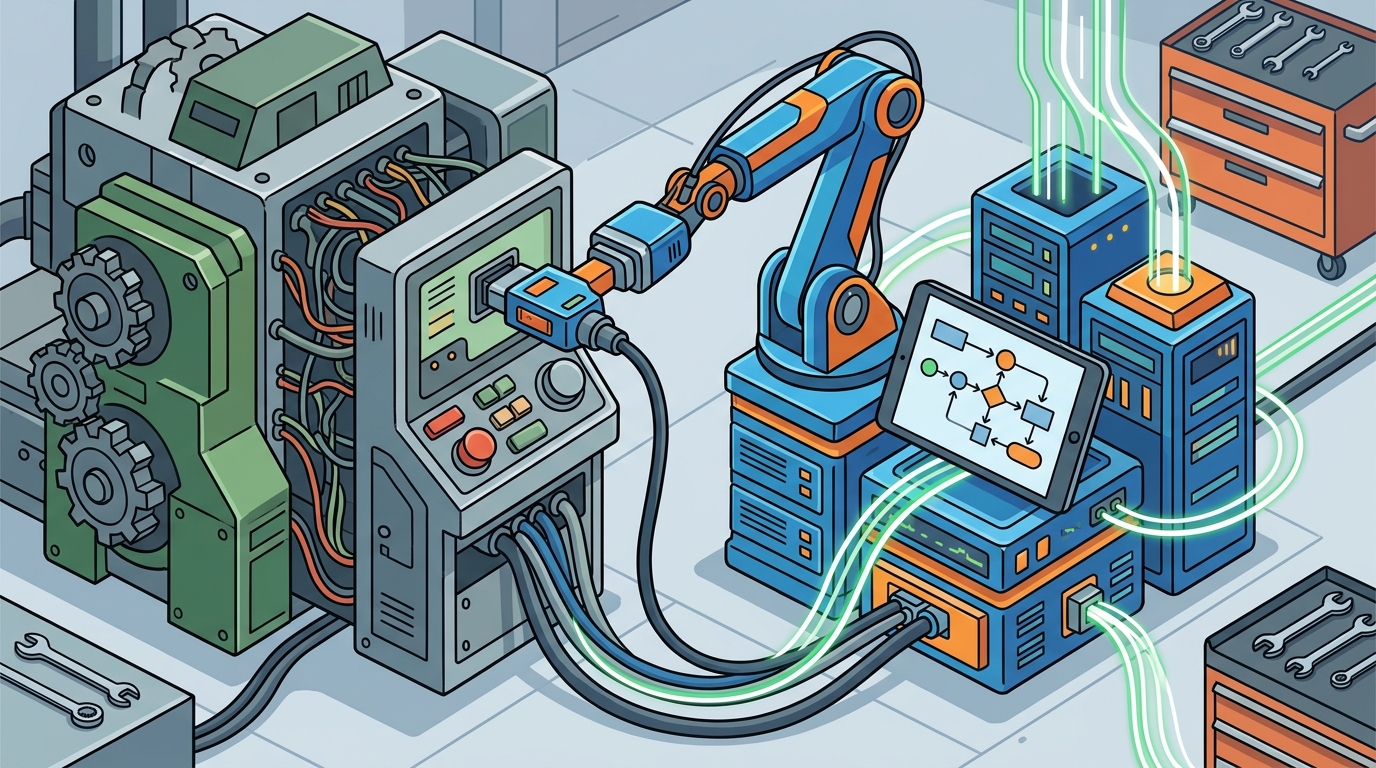
Legacy system integration is the process of connecting older, often outdated software applications with modern systems to enable data flow and functional interoperability. Effective integration strategies depend on the specific characteristics of the legacy system, including its architecture, data formats, and available interfaces. Understanding these factors is crucial for selecting the appropriate automation tool. For additional details, review the Car Brands Serviced in.
Assessing Legacy System Characteristics
Before choosing an automation tool, it is essential to assess the legacy system's capabilities. Key factors include the availability of APIs, the stability of the user interface, and the system's data storage mechanisms. Systems with stable APIs are generally easier to integrate, while those with only GUI access may require RPA or UI automation.
Common Integration Challenges
Legacy systems often present challenges such as limited documentation, proprietary data formats, and lack of vendor support. These factors can increase the complexity and cost of integration. Organizations should consider the long-term maintenance burden and potential risks associated with each integration approach.
API Connectors
API connectors are software components that facilitate communication between different applications by translating data and commands between their respective interfaces. For legacy systems that expose APIs, connectors provide a robust and scalable method for integration. They allow for real-time data exchange and can be easily updated as the systems evolve.
Types of API Connectors
There are several types of API connectors, including REST, SOAP, and GraphQL. REST APIs are widely used for their simplicity and scalability, while SOAP APIs are often found in older enterprise systems due to their strict structure and security features. GraphQL offers a more flexible approach, allowing clients to request only the data they need.
Best Practices for API Integration
When using API connectors, it is important to follow best practices such as error handling, rate limiting, and data validation. These practices ensure the reliability and security of the integration. Additionally, organizations should monitor API performance and usage to identify potential issues early.
UI Automation
UI automation is a technique that uses software to simulate user interactions with a graphical user interface, such as clicking buttons, typing text, and navigating menus. This approach is particularly useful for legacy systems that do not have APIs or have unstable interfaces. UI automation allows for the automation of complex workflows that involve multiple steps and user decisions.
Tools and Frameworks for UI Automation
Several tools and frameworks are available for UI automation, including Selenium, Appium, and Playwright. These tools support various programming languages and operating systems, making them versatile for different use cases. Organizations should choose a tool that aligns with their technical expertise and specific requirements.
Challenges of UI Automation
UI automation can be challenging due to the dynamic nature of graphical interfaces. Changes in the UI layout or behavior can break automated scripts, requiring frequent updates. Additionally, UI automation can be slower than API-based integration, which may impact performance for high-volume processes.
iPaaS Platforms
Integration Platform as a Service (iPaaS) is a cloud-based platform that provides a suite of tools for integrating applications, data, and processes across on-premises and cloud environments. iPaaS platforms offer pre-built connectors, visual workflow designers, and data transformation capabilities, making them ideal for complex integration scenarios.
Advantages of iPaaS for Legacy Integration
iPaaS platforms simplify the integration process by providing a centralized hub for managing connections between different systems. They offer scalability, flexibility, and ease of use, reducing the need for custom coding. Additionally, iPaaS platforms often include monitoring and analytics features, providing visibility into integration performance.
Selecting the Right iPaaS Platform
When selecting an iPaaS platform, organizations should consider factors such as the number of available connectors, support for legacy protocols, and pricing models. It is also important to evaluate the platform's security features and compliance with industry standards. A thorough assessment of these factors will help ensure a successful integration.
Comparison of Automation Tools
| Tool Type | Best For | Integration Method | Maintenance Effort |
|---|---|---|---|
| RPA | GUI-based legacy systems | UI Interaction | High |
| API Connectors | Systems with stable APIs | API Calls | Low |
| UI Automation | Complex workflows | Scripted UI Actions | Medium |
| iPaaS | Multi-system integration | Pre-built Connectors | Low to Medium |
Key Takeaways
- RPA is ideal for legacy systems without APIs, using UI interaction for automation.
- API connectors provide robust and scalable integration for systems with stable APIs.
- UI automation is suitable for complex workflows but requires ongoing maintenance.
- iPaaS platforms offer a comprehensive solution for multi-system integration.
- Assessing legacy system characteristics is crucial for selecting the right tool.
- Consider the long-term maintenance burden and potential risks of each approach.
- Follow best practices for error handling, rate limiting, and data validation.
- Evaluate iPaaS platforms based on connectors, security, and pricing models.
Frequently Asked Questions
What is the best automation tool for legacy systems?
The best tool depends on the specific characteristics of the legacy system. RPA is often the best choice for systems without APIs, while API connectors are ideal for systems with stable interfaces.
How does RPA integrate with legacy systems?
RPA integrates with legacy systems by mimicking human interactions with the graphical user interface, allowing for automation without code changes.
What are the limitations of UI automation?
UI automation can be fragile and slow, requiring frequent updates if the interface changes. It is best suited for complex workflows rather than high-volume processes.
How do iPaaS platforms simplify integration?
iPaaS platforms simplify integration by providing pre-built connectors, visual workflow designers, and centralized management of connections between systems.
What factors should be considered when selecting an automation tool?
Consider the legacy system's architecture, data formats, available interfaces, and the long-term maintenance burden. Additionally, evaluate the tool's scalability and security features.
Can API connectors be used for real-time data exchange?
Yes, API connectors allow for real-time data exchange between systems, enabling efficient and timely information flow.