
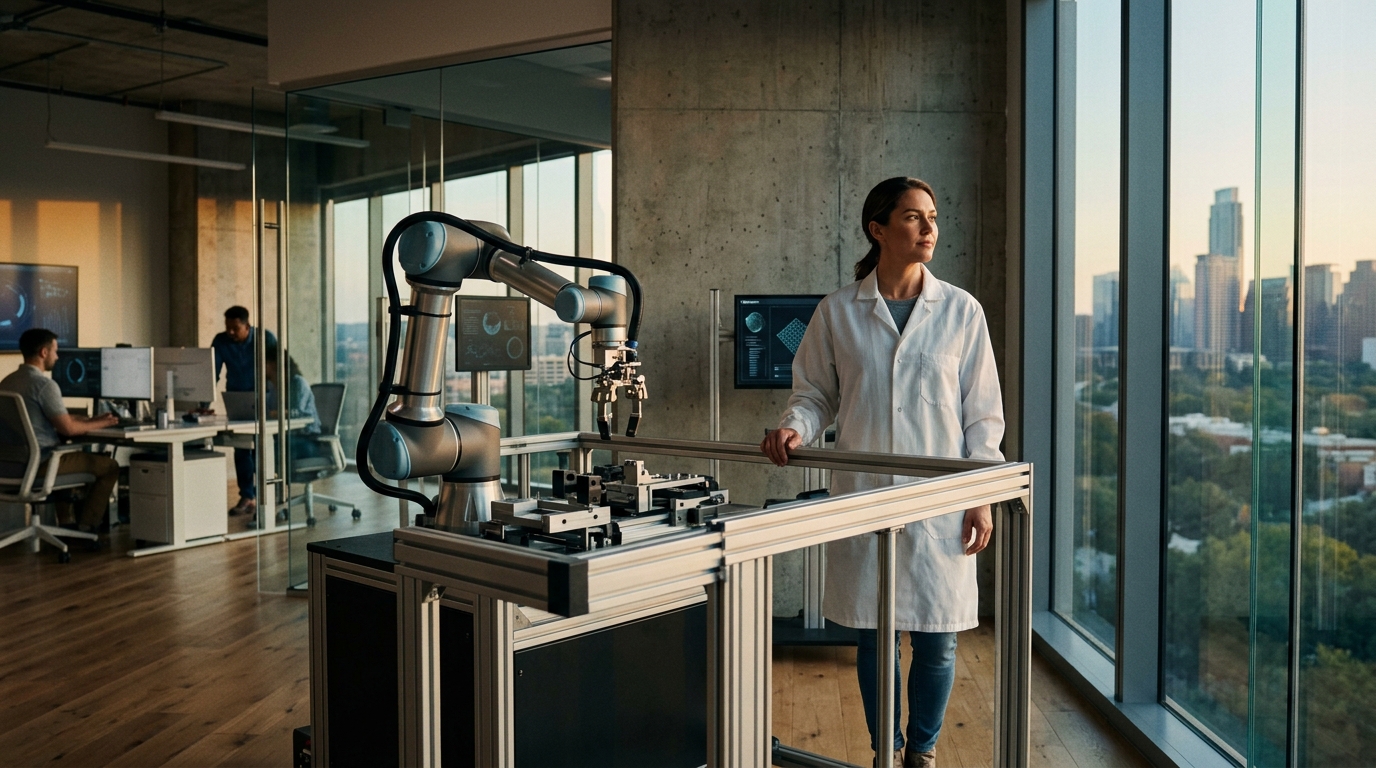
Custom automation features for Austin industries include robotic material handling, predictive maintenance, and MES/ERP integration. These systems optimize semiconductor manufacturing, cleanroom controls, and defect inspection. This guide details how these technologies suit specific sectors in the Austin, Texas region. according to Austin Demographic Data For additional details, review the Contact RBK Auto Tech.
Semiconductor Manufacturing Automation
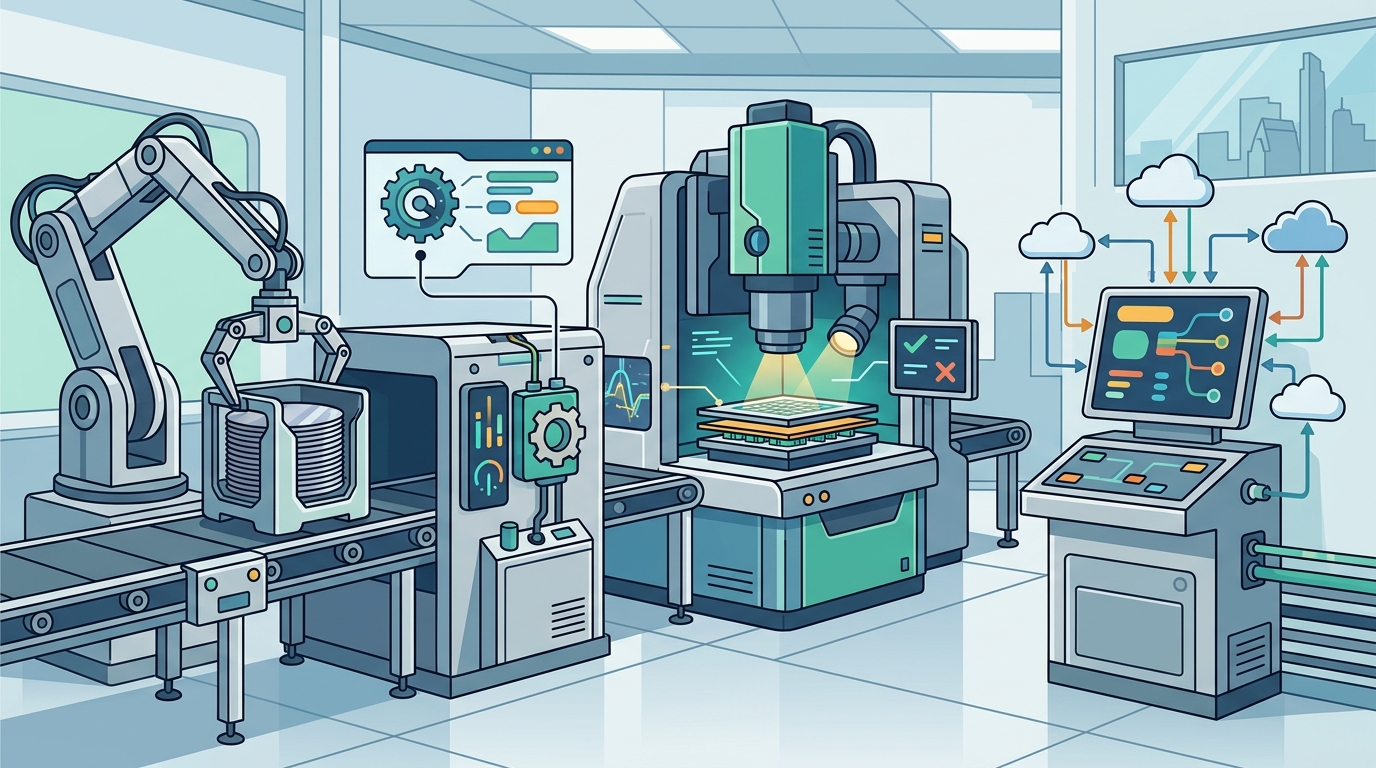
Austin is a global hub for semiconductor design and manufacturing. Custom automation in this sector focuses on high-precision wafer handling and process control. Semiconductor manufacturing automation is the use of specialized software and hardware to manage complex fabrication steps. These systems reduce human error and increase throughput in cleanroom environments. For additional details, review the About RBK Auto Tech.
Process Control and Monitoring
Advanced sensors monitor temperature, pressure, and chemical flow in real-time. Automation systems adjust parameters instantly to maintain yield. This level of precision is critical for advanced node fabrication. For additional details, review the Car Brands Serviced in.
Wafer Handling Systems
Automated wafer transporters move substrates between process modules. These systems prevent contamination and damage. They integrate with factory automation systems to optimize flow. For additional details, review the Auto Repair Services in.
Cleanroom Environmental Controls
Cleanroom environmental controls are automated systems that maintain specific air quality, temperature, and humidity levels. In Austin's semiconductor and biotech industries, these controls are non-negotiable. Automation ensures that particulate counts remain below strict limits.
HEPA Filtration and Airflow
Automated HVAC systems manage laminar airflow to prevent particle accumulation. Sensors detect changes in airflow patterns and adjust fans accordingly. This maintains the ISO class rating of the cleanroom.
Pressure Differentials
Automation systems maintain positive or negative pressure differentials between rooms. This prevents cross-contamination. Real-time monitoring ensures that pressure levels stay within specified ranges.
Predictive Maintenance Systems
Predictive maintenance systems are software platforms that use data analytics to forecast equipment failures. In high-value manufacturing, unplanned downtime is costly. These systems analyze vibration, temperature, and acoustic data to predict issues before they occur.
IoT Sensor Integration
Internet of Things sensors collect continuous data from machinery. This data feeds into machine learning models. The models identify patterns that indicate impending failure.
Work Order Automation
When a potential failure is detected, the system automatically generates a work order. This ensures that maintenance teams are alerted immediately. It also schedules parts delivery to minimize downtime.
Robotic Material Handling
Robotic material handling is the use of automated robots to move materials within a facility. In Austin's diverse industrial landscape, these robots improve efficiency and safety. They handle tasks ranging from palletizing to machine tending.
Machine Tending
Robots load and unload CNC machines and injection molders. This allows machines to run continuously without human intervention. It increases overall equipment effectiveness.
Palletizing and Depalletizing
Automated palletizers stack finished goods onto pallets. They also break down incoming raw material pallets. This reduces manual labor and improves warehouse throughput.
Defect Inspection Automation
Defect inspection automation is the use of machine vision and AI to detect product flaws. In semiconductor and electronics manufacturing, visual inspection is critical. Automated systems can detect defects that are invisible to the human eye.
Machine Vision Systems
Real-Time Feedback
Inspection systems provide immediate feedback to the production line. Defective products are automatically rejected. This prevents bad parts from reaching the customer.
MES/ERP Integration
MES/ERP integration is the connection between Manufacturing Execution Systems and Enterprise Resource Planning software. This integration provides end-to-end visibility into operations. It bridges the gap between the shop floor and business planning.
Data Synchronization
MES systems capture real-time production data. ERP systems manage financial and supply chain data. Integration ensures that both systems have accurate, up-to-date information.
Traceability and Compliance
Integrated systems provide full traceability of every product. This is essential for industries with strict regulatory requirements. It allows companies to quickly identify and recall defective batches.
Comparison of Automation Features
| Robotic Handling | Increased throughput | High-volume production |
| Predictive Maintenance | Reduced downtime | Critical equipment |
| Defect Inspection | Improved quality | High-precision manufacturing |
| MES/ERP Integration | Operational visibility | Complex supply chains |
Key Takeaways
- Custom automation must be tailored to specific industry needs. according to Industry Profiles Industry
- Semiconductor manufacturing requires high-precision process control.
- Cleanroom controls are critical for maintaining air quality.
- Predictive maintenance reduces unplanned downtime.
- Robotic handling improves efficiency and safety.
- Automated defect inspection enhances product quality.
- MES/ERP integration provides end-to-end visibility.
- Investing in automation yields long-term cost savings.
Frequently Asked Questions
What is the most critical automation feature for semiconductor manufacturing?
Process control and monitoring are the most critical features. They ensure that fabrication steps are performed with extreme precision.
How do cleanroom environmental controls work?
They use automated HVAC systems and sensors to maintain specific air quality and pressure levels.
What is the benefit of predictive maintenance?
It forecasts equipment failures before they occur, reducing unplanned downtime.
Can robotic material handling be used in small facilities?
Yes, compact robots can be used in small facilities to improve efficiency.
How does defect inspection automation work?
Why is MES/ERP integration important?
It provides end-to-end visibility into operations, bridging the gap between the shop floor and business planning.
What industries in Austin benefit most from custom automation?
Semiconductor, biotech, and advanced manufacturing industries benefit most.
How long does it take to implement custom automation?
Implementation time varies depending on the complexity of the system, ranging from weeks to months.
Conclusion
Custom automation is essential for industries in Austin, Texas. By implementing the right features, businesses can improve efficiency, quality, and profitability. RBK Auto Tech provides expert guidance on automation solutions. Contact our team to discuss your automation needs.