

Custom Automation vs Standard Software: A Guide to Tailored Workflows
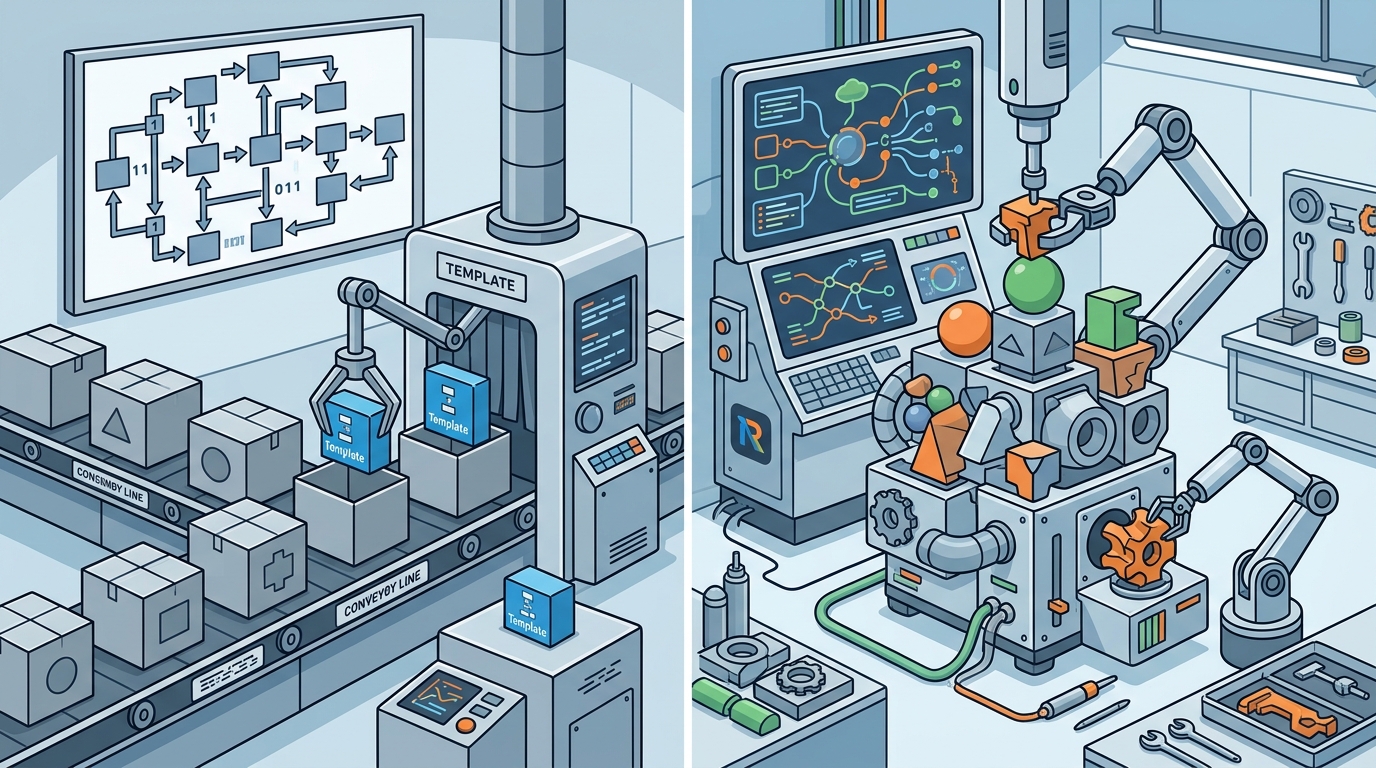
Custom automation is the superior approach for clients needing tailored workflows because it adapts to unique business logic rather than forcing users into rigid, pre-built templates. This guide covers custom software development, workflow automation, and business process integration to help you determine the right technical fit for your operations. For additional details, review the Contact RBK Auto Tech.
Custom Software Development
When to Choose Custom Development
Consider custom development when your business has a unique competitive advantage that relies on a specific workflow. If existing software requires significant workarounds or manual data entry to function, a custom build may be more cost-effective in the long run. Custom code allows for precise control over user experience and data handling. For additional details, review the About RBK Auto Tech.
Development Considerations
Building custom software requires a dedicated development team and a longer initial timeline. You must account for ongoing maintenance and updates as your business evolves. However, the resulting system is fully owned by your organization, providing complete control over the roadmap and data security. For additional details, review the Car Brands Serviced in.
Workflow Automation
Workflow automation is the use of technology to execute repetitive tasks and processes without manual intervention. It connects different applications and data sources to move information automatically from one step to the next. This approach is best for businesses that already use standard software but suffer from manual handoffs between systems. For additional details, review the Auto Repair Services in.
Identifying Automation Opportunities
Start by mapping your current processes to identify bottlenecks. Look for tasks that involve copying and pasting data, manual approvals, or repetitive notifications. Automating these steps can significantly reduce human error and free up employee time for higher-value work. For additional details, review the Tire Services in Sacramento.
Choosing Automation Tools
Business Process Integration
The Role of APIs
Application Programming Interfaces (APIs) are the backbone of modern integration. They allow different software applications to communicate and exchange data securely. Effective integration requires careful management of API connections to ensure data consistency and system stability.
Benefits of Integrated Processes
Integrated systems reduce data silos and improve decision-making speed. When data flows automatically between systems, teams can access real-time information without waiting for manual updates. This leads to better coordination and faster response times to customer needs.
Comparison of Automation Approaches
| Approach | Best For | Initial Cost | Time to Implement | Maintenance |
|---|---|---|---|---|
| Custom Software Development | Unique business logic, core competitive advantage | High | Long | High (Ongoing updates) |
| Workflow Automation | Connecting existing tools, reducing manual handoffs | Medium | Short to Medium | Low to Medium |
| Business Process Integration | Data consistency across multiple systems | Medium | Medium | Medium |
Key Takeaways
- Workflow automation reduces manual errors by connecting existing applications.
- Business process integration ensures data consistency across your tech stack.
- Standard software is cost-effective for common business needs but lacks flexibility.
- Hybrid approaches often provide the best balance of cost and functionality.
- APIs are essential for modern system integration and data exchange.
- Assess your specific pain points before choosing an automation strategy.
Frequently Asked Questions
Is custom software always more expensive than standard software?
Custom software typically has a higher initial cost, but it may be more cost-effective in the long run if it eliminates the need for multiple overlapping tools or extensive manual work.
How long does it take to implement workflow automation?
Simple workflows can be automated in days, while complex processes may take weeks or months. The timeline depends on the number of systems involved and the complexity of the logic.
What is the main difference between automation and integration?
Automation focuses on executing tasks automatically, while integration focuses on connecting systems so data flows between them. They often work together to create efficient business processes.
Can I use both custom software and workflow automation?
Yes, many businesses use a hybrid approach. Custom software handles core unique processes, while automation tools connect it to other standard applications.
How do I know if my business needs custom development?
If you find yourself constantly working around the limitations of standard software or spending significant time on manual data entry, custom development may be the right solution.
What role do APIs play in business process integration?
APIs allow different software applications to communicate and exchange data securely. They are the technical foundation that makes modern integration possible.