

Where to Find Custom Automation Services in Austin TX
Local businesses in Austin, TX, can find custom automation services through specialized software development agencies, IT consulting firms, and managed service providers. These partners build tailored workflows, AI implementations, and integrations. This guide covers how to evaluate providers, understand service models, and select the right partner for your operational needs. For additional details, review the Contact RBK Auto Tech.
Workflow Automation
Workflow automation is the use of software to execute repetitive business processes without manual intervention. In the Austin market, providers typically offer services ranging from simple task scheduling to complex multi-system orchestration. Local businesses often start by automating data entry, invoice processing, and customer communication. For additional details, review the About RBK Auto Tech.
Common Automation Scenarios
Most Austin-based automation projects focus on three core areas. First, document processing involves extracting data from PDFs, emails, and forms. Second, approval workflows route requests through designated managers for sign-off. Third, data synchronization ensures that information flows seamlessly between CRM, ERP, and accounting platforms. For additional details, review the Car Brands Serviced in.
Service Delivery Models
Providers in the region generally operate under three models. The first is a project-based engagement where a fixed scope is defined and delivered. The second is a retainer model offering ongoing optimization and support. The third is a hybrid approach combining initial build-out with monthly maintenance. Understanding these models helps businesses align costs with their long-term automation strategy. For additional details, review the Auto Repair Services in.
AI Implementation
AI implementation is the process of integrating artificial intelligence capabilities into existing business operations. For local businesses, this often means deploying machine learning models for predictive analytics, natural language processing for customer support, or computer vision for quality control. Austin has a strong ecosystem of AI talent, making it a favorable location for these projects. For additional details, review the Tire Services in Sacramento.
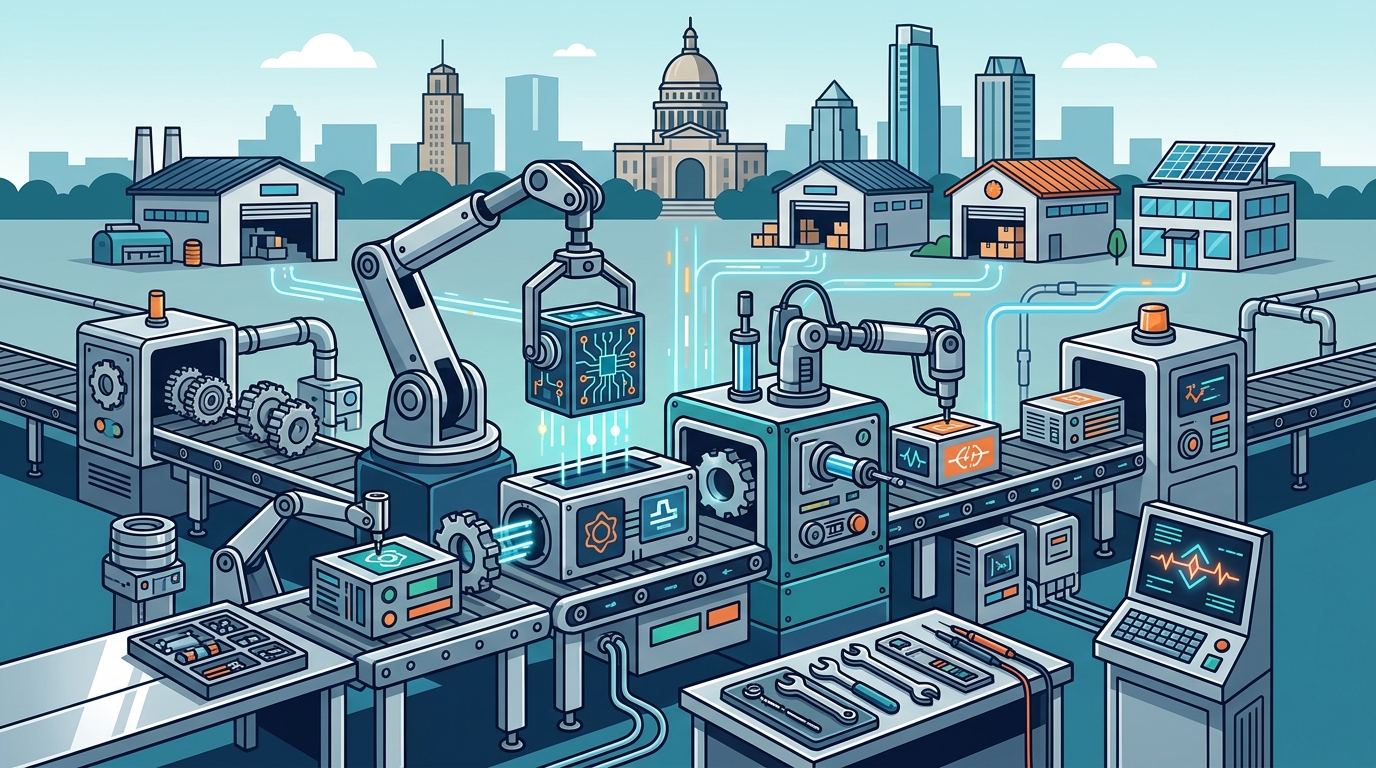
Practical AI Applications
Businesses in the area commonly implement AI for demand forecasting, chatbot deployment, and anomaly detection in financial data. These applications require careful data preparation and model validation. Providers must ensure that the AI solutions are explainable and compliant with local and federal regulations.
Integration with Legacy Systems
A critical challenge in AI implementation is connecting modern models with legacy infrastructure. Successful providers design middleware layers that allow AI services to communicate with older databases and applications. This approach minimizes disruption while maximizing the return on investment for the AI initiative.
Custom Integrations
Custom integrations are bespoke software connections that link disparate systems to share data and functionality. Unlike off-the-shelf connectors, custom integrations are built to handle specific business logic and data transformations. In Austin, developers frequently create integrations between local government portals, proprietary inventory systems, and cloud-based SaaS tools.
API Development and Management
Building custom integrations often requires developing and managing Application Programming Interfaces (APIs). Providers must design secure, scalable APIs that can handle varying loads. They also implement monitoring and logging to ensure that data flows remain reliable over time.
Data Mapping and Transformation
Effective integrations depend on accurate data mapping. This involves translating data fields from one system to another while preserving meaning and format. Providers use transformation rules to handle discrepancies in data types, units, and structures. This step is crucial for maintaining data integrity across the organization.
Types of Automation Providers
Businesses in Austin can choose from several types of providers, each with distinct strengths. Understanding these differences helps in selecting the right partner for specific needs.
| Provider Type | Primary Focus | Typical Engagement | Best For |
|---|---|---|---|
| Software Development Agency | Custom code and full-stack development | Project-based or retainer | Complex, unique requirements |
| IT Consulting Firm | Strategy, architecture, and advisory | Consulting engagements | High-level planning and governance |
| Managed Service Provider | Ongoing operations and support | Monthly subscription | 24/7 monitoring and maintenance |
| Freelance Developer | Specific coding tasks | Hourly or fixed-price | Small, well-defined tasks |
Evaluation Criteria
Selecting the right automation provider requires a structured evaluation process. Businesses should assess potential partners based on technical expertise, industry experience, and communication practices.
Technical Expertise and Certifications
Verify that the provider has relevant certifications and experience with the specific technologies you use. Look for case studies that demonstrate successful projects in your industry. Technical depth is critical for ensuring that the solution is robust and scalable.
Communication and Transparency
Effective communication is essential for project success. Providers should offer regular updates, clear reporting, and accessible support channels. Transparency in pricing and project timelines helps build trust and ensures that expectations are aligned.
Security and Compliance
Ensure that the provider follows best practices for data security and compliance. This includes encryption, access controls, and adherence to regulations such as HIPAA or GDPR if applicable. Security should be a core component of the service offering, not an afterthought.
Key Takeaways
- Workflow automation reduces manual effort and minimizes errors in repetitive tasks.
- AI implementation requires careful data preparation and model validation.
- Custom integrations connect disparate systems through bespoke software connections.
- Evaluate providers based on technical expertise, communication, and security practices.
- Service delivery models vary from project-based to retainer and hybrid approaches.
- Clear evaluation criteria help align provider capabilities with business needs.
Frequently Asked Questions
What is the cost of custom automation services in Austin?
Costs vary widely based on scope and complexity. Project-based engagements can range from a few thousand to tens of thousands of dollars. Retainer models typically involve monthly fees. It is best to request detailed proposals from multiple providers to compare pricing structures.
How long does it take to implement a custom automation project?
Timelines depend on the project's complexity. Simple workflow automations may take a few weeks. More complex AI implementations or custom integrations can take several months. A clear project plan with milestones helps manage expectations and track progress.
Do I need to replace my existing systems to use automation?
No, most automation projects integrate with existing systems rather than replacing them. Custom integrations and middleware allow new automation tools to communicate with legacy applications. This approach minimizes disruption and protects your existing investment.
What skills should I look for in an automation provider?
Look for expertise in relevant programming languages, API development, and data engineering. Experience with your specific industry and technology stack is also valuable. Strong communication and project management skills are equally important for ensuring project success.
How do I ensure data security with an external provider?
Review the provider's security policies, including encryption, access controls, and compliance certifications. Sign a data processing agreement that outlines how your data will be handled. Regular security audits and penetration testing are good indicators of a provider's commitment to security.
Can small businesses benefit from AI implementation?
Yes, small businesses can benefit from AI through targeted applications like chatbots, demand forecasting, and customer segmentation. Start with small, well-defined projects to demonstrate value before scaling up. This approach helps manage costs and risks while building internal expertise.
What is the difference between workflow automation and process automation?
Workflow automation focuses on the sequence of tasks and handoffs between people or systems. Process automation is a broader term that includes workflow automation but also encompasses the optimization of the entire business process. Workflow automation is often a component of a larger process automation strategy.