
Assessing Your Network Infrastructure
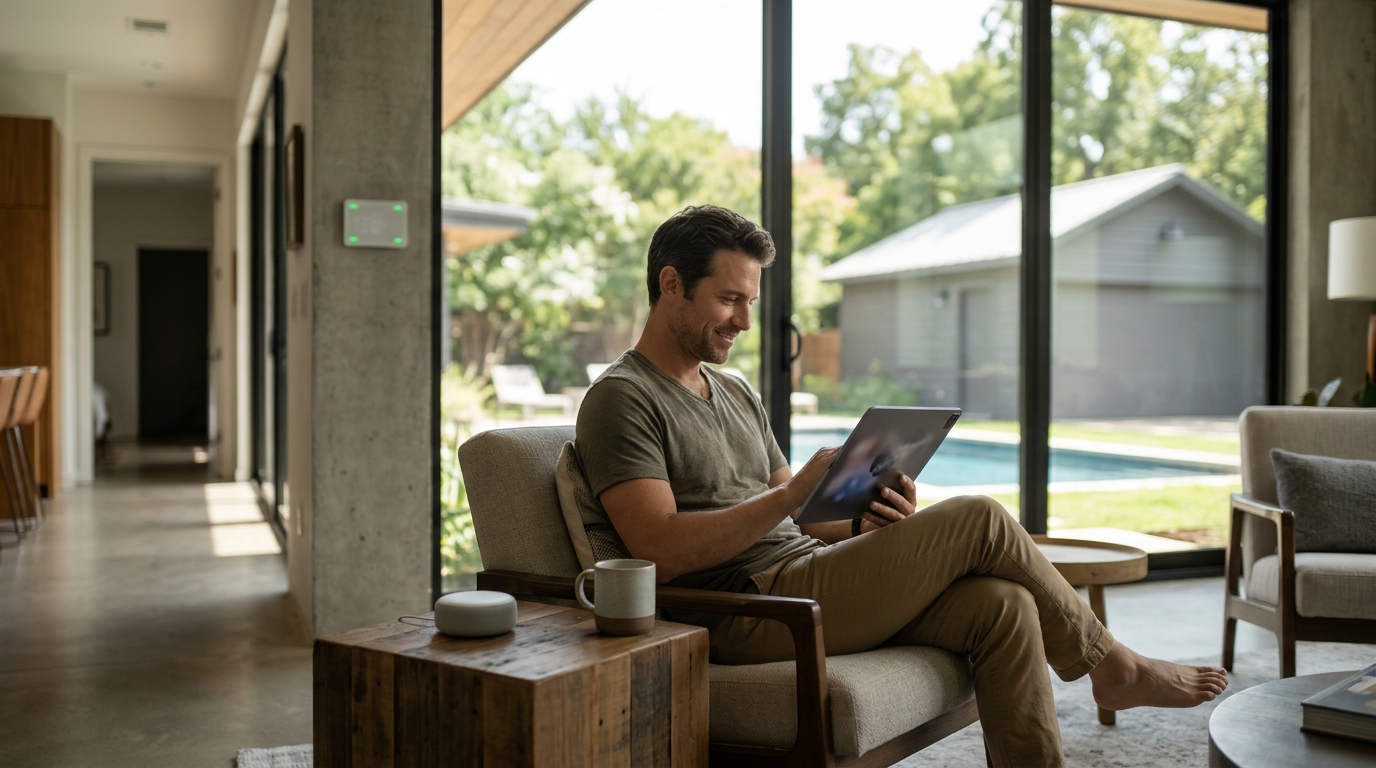
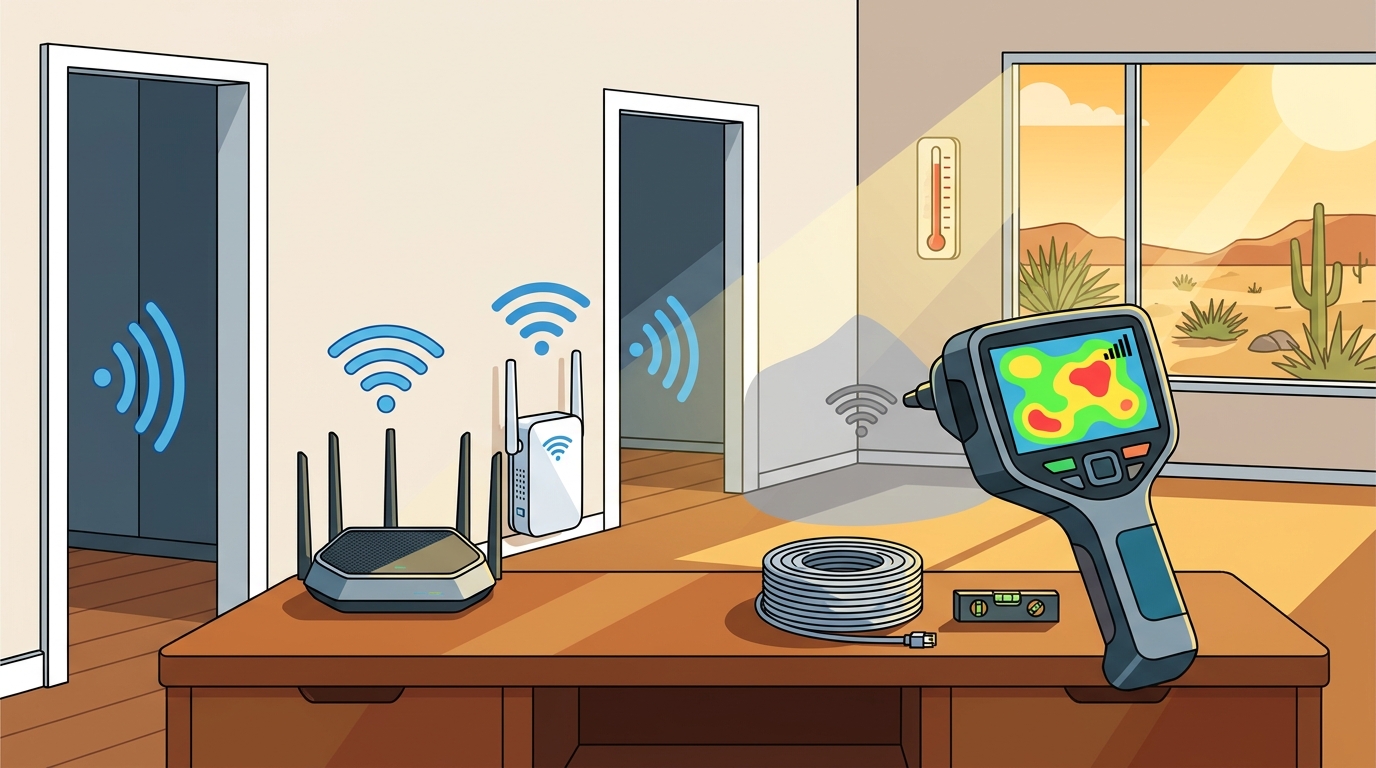
Smart home integration is the process of connecting devices to a central network to allow for automated control and monitoring. The foundation of any successful system is a robust local network. In Austin, where summer heat can affect electronic performance, your router and access points must be positioned to minimize signal degradation. You should conduct a heat map of your property to identify dead zones. This ensures that devices in remote areas, such as a detached garage or a backyard shed, maintain a stable connection. Without this baseline, your automation rules will fail intermittently, leading to frustration and security gaps. For additional details, review the Car Brands Serviced in.
Selecting the Right Central Hub
Configuring Automation Logic
Automation logic is a set of conditional rules that trigger actions based on specific inputs or schedules. Start with simple, high-impact rules. For example, configure your lighting to turn on at sunset and off at sunrise. This requires no manual interaction and provides immediate value. Next, layer in security automations. Set your doors to lock automatically when the system arms. You can also integrate weather data to close smart windows during rain. These rules should be tested individually before combining them into complex routines. This methodical approach helps you identify and fix conflicts in your logic without overwhelming the system.
Integrating Vehicle and Garage Systems
Vehicle integration is a critical component of a complete smart home ecosystem, linking your car to your home security and convenience features. Many modern vehicles offer API access that allows you to control functions like the garage door or receive alerts when the car is parked. If you own a vehicle that requires regular maintenance, ensuring its health is part of the broader reliability of your smart setup. RBK Auto Tech offers comprehensive auto repair services that ensure your vehicle is in top condition, which is vital if you rely on it for daily commutes or emergency transport. A well-maintained car is a reliable node in your connected life.
Ensuring Climate Resilience and Power Stability
Austin’s climate presents unique challenges for smart home devices, particularly during extreme heat and occasional power fluctuations. You must ensure that your smart devices are rated for the local temperature range. Outdoor sensors and cameras should be installed in shaded areas or with protective covers to prevent overheating. Additionally, consider using battery-backed devices for critical functions like security locks and alarms. This ensures that your home remains secure and accessible even during a power outage. Regularly check the battery levels of these devices to maintain uninterrupted operation.
Key Takeaways
- Conduct a Wi-Fi heat map to ensure full coverage before installing devices.
- Start with simple automation rules and expand gradually.
- Integrate vehicle systems for seamless garage and security control.
- Protect outdoor devices from Austin’s extreme heat and weather.
- Use battery-backed devices for critical security functions.
Frequently Asked Questions
What is the best protocol for smart home devices?
Zigbee and Z-Wave are generally preferred for reliability and range, while Wi-Fi is best for high-bandwidth devices like cameras.
Do I need a hub for smart home integration?
A hub is recommended for devices using Zigbee or Z-Wave, as it provides local processing and better range than direct Wi-Fi connections.
How does heat affect smart home devices in Austin?
Extreme heat can cause devices to overheat and malfunction, so it is important to use climate-rated equipment and provide adequate ventilation.
Can I control my garage door from my phone?
Yes, by installing a smart garage door controller that connects to your home network, you can control and monitor the door remotely.
What happens if my internet goes down?
If you use a hub with local processing, your automations will continue to work locally, but remote access will be unavailable until the connection is restored.
Conclusion
Building a smart home in Austin is a manageable project if you follow a logical, step-by-step approach. Focus on network stability, choose the right hardware, and test your automations thoroughly. By integrating your vehicle and home systems, you create a seamless and secure living environment. For ongoing vehicle care that supports your connected lifestyle, trust the expertise at RBK Auto Tech.