

Which Custom Automation Tool Integrates with Legacy Systems Effectively?
Choosing the right custom automation tool for legacy systems requires balancing technical compatibility, maintenance overhead, and long-term scalability. The most effective tools are those that offer robust API connectors, flexible UI automation, and seamless integration with older enterprise software. This guide explores the top categories of automation tools, including RPA, iPaaS, and API connectors, to help you make an informed decision for your specific infrastructure. For additional details, review the Contact RBK Auto Tech.
RPA Tools
Why RPA Works for Legacy Systems
Legacy systems are often built on outdated technologies that do not support modern integration standards. RPA bots can read screen data, click buttons, and enter information just like a human operator. This capability makes RPA ideal for systems where the source code is unavailable or too complex to modify. By automating these interactions, organizations can reduce manual errors and free up employees for higher-value work. For additional details, review the About RBK Auto Tech.
Limitations of RPA
While RPA is powerful, it is not a perfect solution for every scenario. UI-based automation can be fragile if the legacy interface changes, requiring bot maintenance. Additionally, RPA bots typically run on virtual machines or dedicated workstations, which can increase infrastructure costs. It is essential to evaluate the stability of the legacy interface before committing to an RPA strategy. For additional details, review the Car Brands Serviced in.
Legacy System Integration
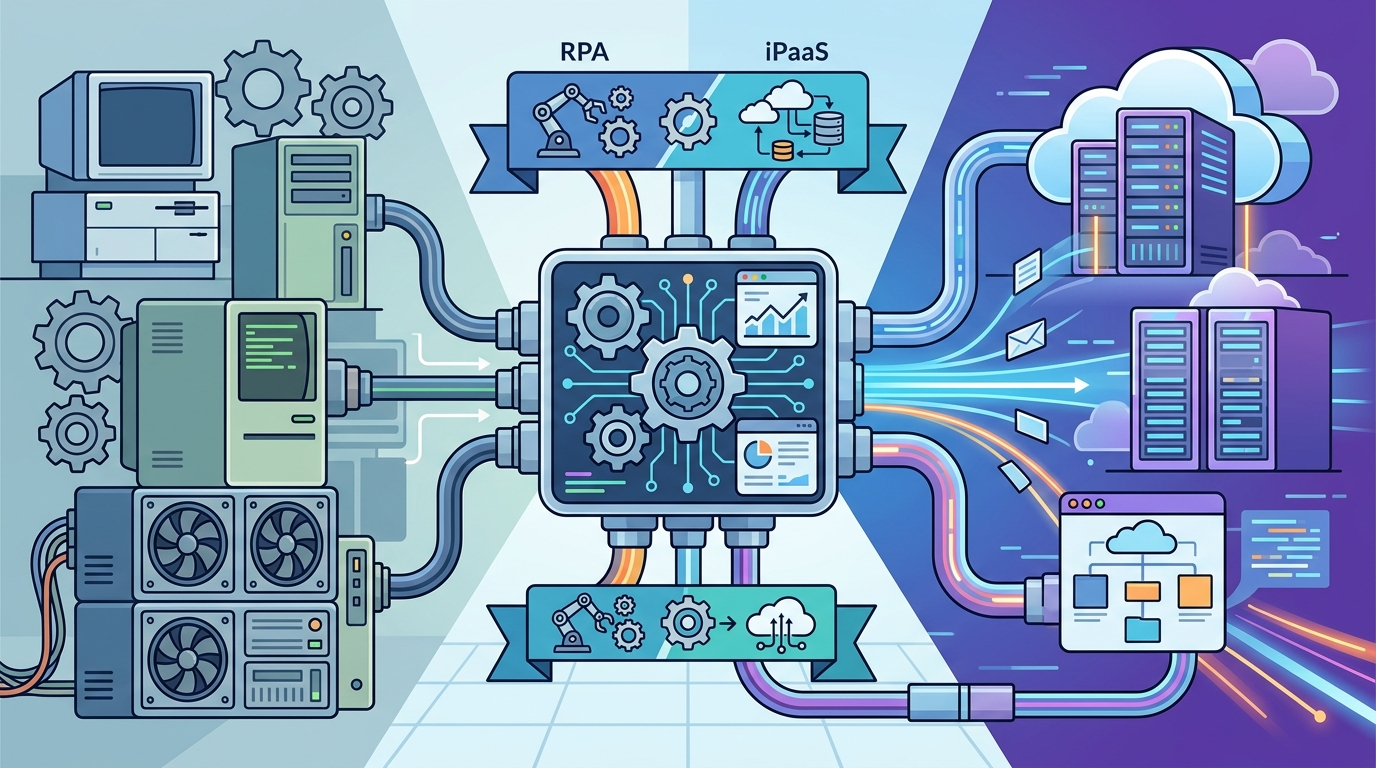
Legacy system integration is the process of connecting older software applications with modern systems to enable data exchange and process automation. Effective integration requires a clear understanding of the legacy system's architecture, data formats, and communication protocols. Many organizations face challenges when integrating legacy systems because these applications were designed in isolation and lack standard interfaces. For additional details, review the Auto Repair Services in.
Common Challenges in Legacy Integration
One of the primary challenges is data silos, where information is trapped within the legacy system and cannot be easily accessed by other applications. Another challenge is the lack of documentation, which makes it difficult for developers to understand how the system works. Furthermore, legacy systems may use proprietary data formats that require custom parsing logic to interpret. Addressing these challenges requires a strategic approach that balances speed of implementation with long-term maintainability.
Strategies for Effective Integration
Organizations can use several strategies to integrate legacy systems effectively. One approach is to wrap the legacy system with a middleware layer that translates its data into a standard format. Another strategy is to use event-driven architecture, where the legacy system publishes events that trigger actions in modern applications. By choosing the right strategy, businesses can extend the life of their legacy investments while gaining the benefits of modern automation.
API Connectors
API connectors are software components that enable communication between different applications by translating requests and responses between their respective APIs. For legacy systems that have been modernized with API layers, connectors provide a clean and efficient way to integrate with other tools. These connectors handle the complexities of authentication, data formatting, and error handling, allowing developers to focus on business logic.
Types of API Connectors
There are several types of API connectors available, each suited to different integration scenarios. REST connectors are the most common and work with web-based services that use HTTP protocols. SOAP connectors are used for older enterprise systems that rely on XML-based messaging. Additionally, there are database connectors that allow direct access to legacy databases, bypassing the application layer entirely. Choosing the right connector type depends on the capabilities of the legacy system and the requirements of the modern application.
Benefits of Using API Connectors
API connectors offer several advantages over other integration methods. They provide real-time data exchange, which is critical for processes that require immediate updates. Connectors are also more scalable than UI automation, as they can handle high volumes of transactions without the overhead of screen scraping. Furthermore, API-based integrations are more reliable and easier to maintain, as they are less susceptible to changes in the user interface.
UI Automation
UI automation is a technique that uses software to simulate user interactions with a graphical interface, such as clicking buttons, typing text, and navigating menus. This method is particularly useful for legacy systems that do not expose APIs or have limited integration capabilities. By automating the user interface, organizations can perform tasks that would otherwise require manual intervention, such as data entry, report generation, and system monitoring.
When to Use UI Automation
UI automation is the best choice when the legacy system has no API or when the API is too complex to use. It is also useful for systems that are end-of-life and cannot be modified. However, UI automation should be used as a last resort, as it is generally slower and less reliable than API-based integration. Organizations should carefully evaluate the risks and benefits before adopting UI automation for critical business processes.
Best Practices for UI Automation
To ensure the success of UI automation, organizations should follow several best practices. First, they should use stable selectors to identify UI elements, such as IDs or names, rather than relying on visual properties like color or position. Second, they should implement error handling and logging to monitor the health of the automation scripts. Finally, they should regularly test the automation scripts to ensure they continue to work as the legacy system evolves.
iPaaS Platforms
Integration Platform as a Service (iPaaS) is a cloud-based platform that provides tools for integrating applications, data, and processes across on-premises and cloud environments. iPaaS platforms offer pre-built connectors for a wide range of applications, including many legacy systems. They also provide visual design tools that allow non-technical users to create integration workflows without writing code.
Advantages of iPaaS for Legacy Integration
Selecting the Right iPaaS Platform
When selecting an iPaaS platform, organizations should consider several factors. First, they should evaluate the platform's connector library to ensure it supports their specific legacy systems. Second, they should assess the platform's scalability and performance to ensure it can handle their integration volume. Finally, they should consider the platform's security and compliance features to ensure that sensitive data is protected during transit and at rest.
Key Takeaways
- RPA is the most effective tool for legacy systems that lack APIs, as it mimics human interaction with the user interface.
- Legacy system integration requires a clear understanding of the system's architecture and data formats to avoid common pitfalls.
- API connectors provide a clean and efficient way to integrate legacy systems that have been modernized with API layers.
- UI automation is a viable option for end-of-life systems but should be used as a last resort due to its fragility.
- iPaaS platforms offer a centralized hub for managing integrations and provide pre-built connectors for many legacy systems.
- Choosing the right automation tool depends on the specific capabilities of the legacy system and the requirements of the modern application.
- Organizations should balance speed of implementation with long-term maintainability when selecting an integration strategy.
- Regular testing and monitoring are essential to ensure the reliability of automation scripts and API connectors.
Frequently Asked Questions
What is the best tool for integrating legacy systems?
The best tool depends on the specific legacy system. If the system has an API, an API connector or iPaaS platform is usually the best choice. If the system lacks an API, RPA or UI automation is often the most effective solution.
Can RPA integrate with any legacy system?
RPA can integrate with most legacy systems that have a graphical user interface. However, it may not be suitable for systems with highly dynamic interfaces or those that require real-time, high-volume data exchange.
What is the difference between RPA and UI automation?
RPA is a broader category that includes UI automation but also encompasses other types of automation, such as process mining and decision management. UI automation specifically refers to the simulation of user interactions with a graphical interface.
How do I choose an iPaaS platform for legacy integration?
When choosing an iPaaS platform, consider its connector library, scalability, security features, and ease of use. Ensure that the platform supports your specific legacy systems and can handle your integration volume.
Is API integration more reliable than UI automation?
Yes, API integration is generally more reliable and scalable than UI automation. APIs provide a stable interface for data exchange, whereas UI automation can break if the user interface changes.
What are the risks of using UI automation for legacy systems?
The main risks of UI automation are fragility and maintenance overhead. If the legacy interface changes, the automation scripts may break, requiring updates. Additionally, UI automation is slower than API-based integration and may not handle high volumes of transactions efficiently.
Can I use multiple automation tools together?
Yes, many organizations use a combination of automation tools to address different integration needs. For example, they might use API connectors for modern systems and RPA for legacy systems that lack APIs. This hybrid approach can provide the best of both worlds.
How do I ensure the security of my legacy integrations?
To ensure security, use encrypted connections for data transmission, implement strong authentication and authorization controls, and regularly monitor integrations for suspicious activity. Additionally, ensure that your automation tools comply with relevant security standards and regulations.