

Custom automation reduces operational costs for mid-sized firms by eliminating repetitive manual labor, removing process bottlenecks, and integrating disparate systems. This guide covers how these three pillars drive measurable savings. It explains the mechanics of labor cost reduction, the impact of workflow optimization, and the strategic value of system integration. We provide a framework for evaluating automation ROI in a mid-sized business context. For additional details, review the Contact RBK Auto Tech.
Labor Cost Reduction
Labor cost reduction is the most immediate financial benefit of custom automation. Mid-sized firms often struggle with the high cost of skilled labor performing low-value tasks. Automation shifts these tasks to software, allowing human employees to focus on high-impact activities. This reallocation of resources directly lowers the effective cost per unit of output. For additional details, review the Car Brands Serviced in.
Shifting from Manual to Automated Tasks
Manual data entry, report generation, and routine customer communications consume significant hours. Custom scripts and workflows can execute these tasks in seconds. For a firm with 50 to 200 employees, saving even two hours per employee per week yields substantial annual savings. The cost of developing the automation is typically recovered within the first year of deployment. For additional details, review the Auto Repair Services in.
Reducing Error-Related Expenses
Human error in manual processes leads to rework, compliance fines, and customer churn. Automation enforces consistency and validation rules. This reduction in error rates decreases the hidden costs associated with correcting mistakes. Firms report lower overhead when their operational processes are standardized through code rather than manual intervention. For additional details, review the Tire Services in Sacramento.
Process Bottleneck Removal
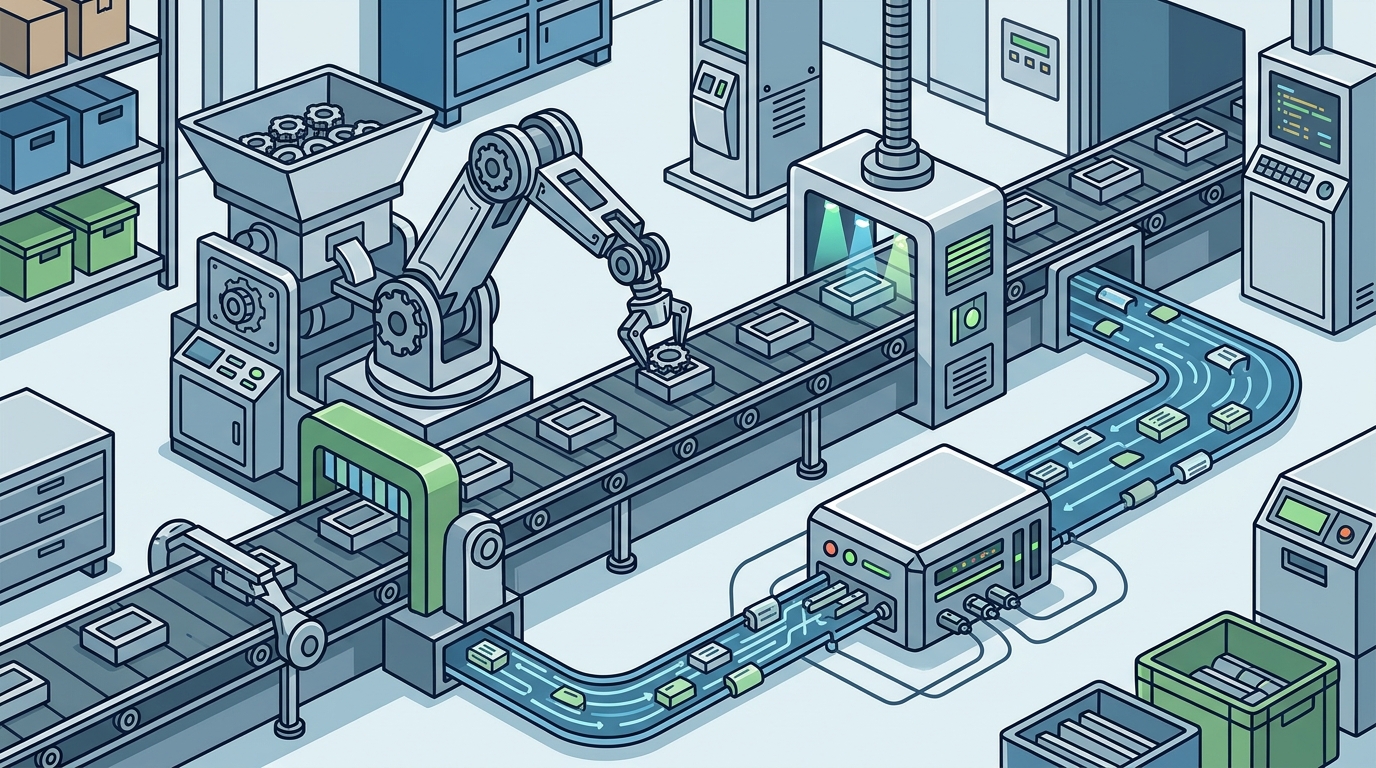
Process bottleneck removal is the strategic benefit of automation that improves throughput. Bottlenecks occur when a specific step in a workflow limits the overall speed of the operation. Custom automation identifies and eliminates these constraints by parallelizing tasks or speeding up sequential steps. This increases the firm's capacity without adding headcount.
Identifying High-Impact Bottlenecks
Not all bottlenecks are created equal. Firms should prioritize automating steps that have the highest volume and longest wait times. For example, invoice processing or order fulfillment often suffer from manual handoffs. Automating these specific points creates a ripple effect of efficiency throughout the entire supply chain or service delivery model.
Improving Cycle Time
Reducing cycle time allows a mid-sized firm to serve more customers or complete more projects with the same resources. This directly impacts revenue potential. By removing the friction of manual approvals and data transfers, automation accelerates the path from request to completion. Faster cycle times also improve customer satisfaction and retention rates.
System Integration
System integration is the technical foundation that enables seamless automation. Mid-sized firms often rely on a patchwork of software tools that do not communicate with each other. Custom automation bridges these gaps by creating APIs or middleware that allows data to flow freely between systems. This eliminates the need for manual data re-entry and ensures data consistency across the organization.
Breaking Down Data Silos
Data silos prevent a holistic view of operations. When CRM, ERP, and accounting systems are disconnected, teams work with outdated or incomplete information. Custom integration scripts synchronize these platforms in real-time. This unified data environment supports better decision-making and reduces the time spent reconciling discrepancies between different departments.
Scalability and Future-Proofing
Integrated systems are more scalable than isolated tools. As a mid-sized firm grows, its data volume and transaction frequency increase. Custom automation built on integrated architectures can handle this growth without requiring a complete system overhaul. This future-proofs the firm's operational infrastructure and reduces long-term technology costs.
Key Takeaways
- Custom automation reduces labor costs by automating repetitive, low-value tasks.
- Process bottleneck removal increases throughput and capacity without adding headcount.
- System integration eliminates data silos and ensures consistency across platforms.
- ROI on custom automation is typically achieved within the first year of deployment.
- Automation reduces error rates, lowering hidden costs associated with rework.
- Integrated systems are more scalable and future-proof for growing mid-sized firms.
- Focus on high-volume, high-friction processes for the greatest impact.
Frequently Asked Questions
How long does it take to see ROI from custom automation?
Most mid-sized firms see a return on investment within 6 to 12 months. The timeline depends on the complexity of the process and the volume of tasks automated. Simple workflows often yield faster returns than complex, multi-system integrations.
Is custom automation more expensive than off-the-shelf software?
Initial development costs for custom automation can be higher than off-the-shelf tools. However, custom solutions are tailored to specific workflows, often resulting in greater efficiency and lower long-term licensing fees. The total cost of ownership is frequently lower for custom solutions over a 3 to 5 year period.
What types of processes are best suited for automation?
How does automation impact employee morale?
When implemented correctly, automation improves morale by removing tedious tasks. Employees can focus on strategic, creative, and customer-facing work. Clear communication and change management are essential to ensure staff view automation as a tool for empowerment rather than a threat.
Can custom automation integrate with legacy systems?
Yes, custom automation can often integrate with legacy systems through APIs or middleware. This allows firms to modernize their workflows without replacing expensive, established software. Custom scripts can bridge the gap between modern cloud applications and older on-premise systems.
What is the role of system integration in cost reduction?
System integration reduces costs by eliminating manual data re-entry and ensuring data consistency. It allows different departments to work from a single source of truth, reducing the time spent on reconciliation and error correction. This seamless data flow is a key driver of operational efficiency.
Conclusion
Custom automation is a powerful lever for mid-sized firms seeking to reduce operational costs. By focusing on labor cost reduction, process bottleneck removal, and system integration, businesses can achieve significant efficiency gains. These three pillars work together to create a streamlined, scalable, and cost-effective operation. Firms that invest in custom automation position themselves for sustainable growth and competitive advantage. To explore how these principles apply to your specific operational needs, visit RBK Auto Tech for insights on efficient service delivery.