

Custom automation features in Austin, Texas, suit industries by integrating robotics, predictive maintenance, and compliance software into local workflows. This guide covers semiconductor manufacturing, healthcare, and advanced manufacturing. It details how RBK Auto Tech supports the vehicle fleets that keep these high-tech operations running. We explore the specific technical requirements for each sector in the Austin metro area.
Semiconductor Manufacturing Automation
Austin is a global hub for semiconductor design and manufacturing. The local industry requires precision automation that minimizes human error in high-value production lines. Semiconductor manufacturing automation is the use of specialized software and hardware to control wafer processing and assembly. These systems must operate with extreme reliability to protect expensive inventory. according to UT Austin Generative For additional details, review the About RBK Auto Tech.
Process Control and Data Integrity
Modern fabs in the Austin area rely on automated process control systems. These systems monitor temperature, pressure, and chemical flow in real time. Any deviation triggers an immediate halt to prevent batch contamination. This level of control is essential for maintaining yield rates in advanced node production. For additional details, review the Car Brands Serviced in.
Fleet Support for High-Tech Logistics
While the factory floor is automated, the logistics surrounding it depend on reliable vehicles. RBK Auto Tech provides specialized maintenance for the service vehicles that transport sensitive equipment and materials. Our team understands the need for uptime in the high-tech corridor. We ensure that the vehicles supporting your automation ecosystem remain operational.
Predictive Maintenance Systems
Predictive maintenance is a strategy that uses data analysis to forecast equipment failures before they occur. In Austin's competitive industrial landscape, downtime is a critical cost. By monitoring vibration, temperature, and acoustic signals, businesses can schedule repairs during non-production hours. This approach extends the lifespan of critical machinery and reduces emergency repair costs. For additional details, review the Auto Repair Services in.
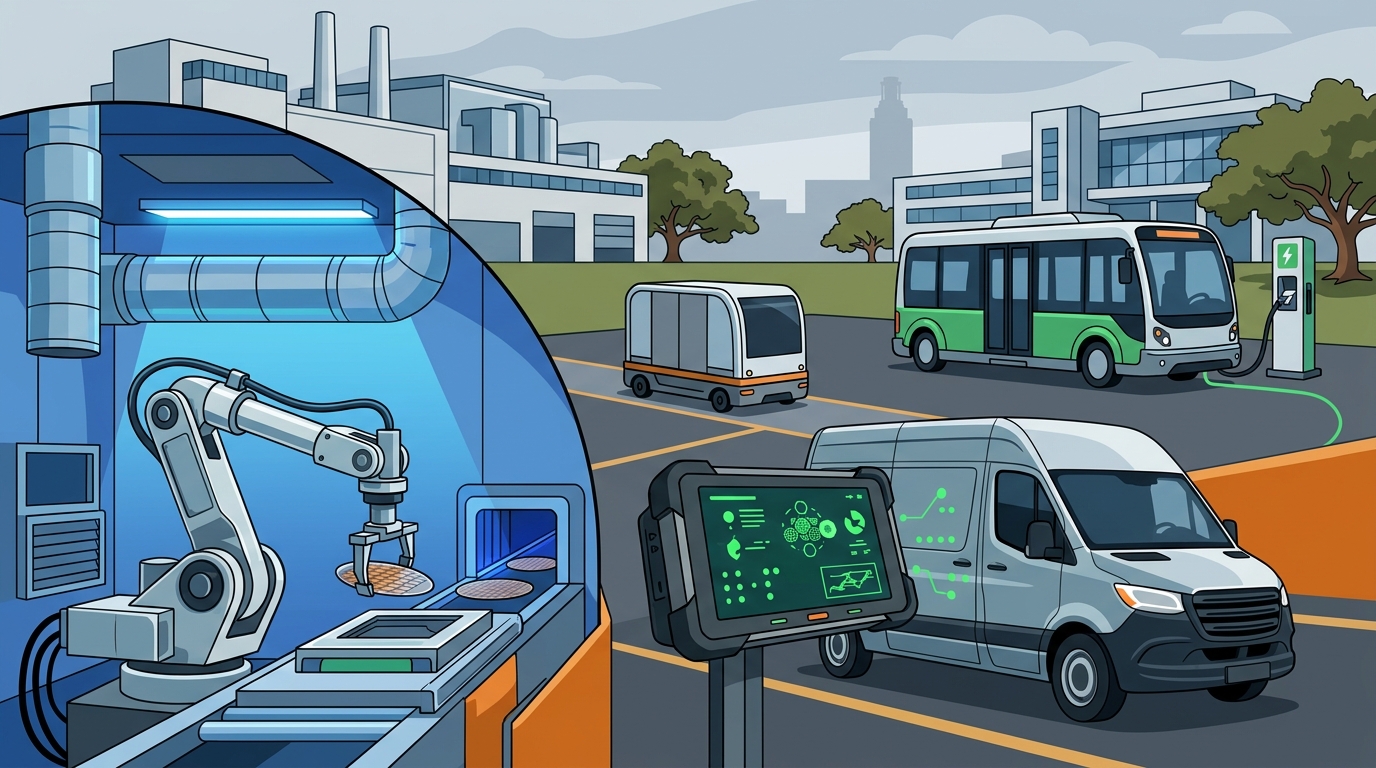
Vehicle Fleet Predictive Analytics
For businesses with large vehicle fleets, predictive maintenance is equally vital. RBK Auto Tech integrates diagnostic tools to monitor engine health, battery status, and tire wear. We use data from your vehicles to predict potential failures. This proactive approach ensures that your fleet is always ready for the road, supporting the broader automation goals of your facility.
Defect Inspection Automation
Defect inspection automation is the application of machine vision and AI to identify product flaws. In industries like semiconductor and electronics manufacturing, manual inspection is too slow and prone to error. Automated systems can detect microscopic defects that the human eye cannot see. This ensures that only high-quality products reach the market, protecting brand reputation. according to AI and Machine
Integration with Production Lines
These inspection systems integrate directly into the production line. They provide real-time feedback to operators and quality control managers. If a defect rate exceeds a threshold, the system can automatically adjust process parameters. This closed-loop control is a hallmark of modern automated manufacturing in the Austin region.
Cleanroom Environmental Controls
Cleanroom environmental controls are systems designed to maintain specific levels of air quality, temperature, and humidity. For semiconductor and biotech companies in Austin, these controls are non-negotiable. Particulate matter can ruin a wafer or contaminate a biological sample. Automated HVAC and filtration systems ensure that the environment remains within strict ISO standards.
Monitoring and Compliance
Modern cleanrooms use automated sensors to monitor air pressure differentials and particle counts. If a breach is detected, the system alerts facility managers and adjusts airflow. This continuous monitoring ensures compliance with industry regulations. It also protects the integrity of the products being manufactured inside the facility.
MES/ERP Integration
Manufacturing Execution Systems (MES) and Enterprise Resource Planning (ERP) integration is the digital backbone of modern factories. MES/ERP integration is the process of connecting shop floor data with business management software. This allows for real-time visibility into production status, inventory levels, and resource allocation. It eliminates data silos and improves decision-making speed.
Benefits for Austin Manufacturers
For manufacturers in the Austin area, this integration provides a competitive edge. It allows for better supply chain management and demand forecasting. By having accurate, real-time data, businesses can respond quickly to market changes. This digital connectivity is a key component of the Industry 4.0 transformation happening across Texas.
Robotic Material Handling
Logistics and Fleet Coordination
Healthcare Compliance Automation
Healthcare compliance automation is the use of software to ensure adherence to regulations like HIPAA. Austin is home to a growing healthcare sector, including major research institutions and hospitals. These organizations must manage sensitive patient data securely. Automation helps track access, audit logs, and data retention to meet strict legal requirements. according to Accessibility in Austin
Supporting the Healthcare Fleet
Healthcare facilities also rely on fleets of vehicles for patient transport and supply delivery. RBK Auto Tech provides maintenance services for these critical vehicles. We understand the importance of reliability in the healthcare sector. Our team ensures that ambulances, transport vans, and service vehicles are always in top condition. This support is essential for maintaining the high standards of care in Austin.
Key Takeaways
- Austin's semiconductor industry requires precision automation to protect high-value inventory. according to Austin Bergstrom International
- Predictive maintenance reduces downtime for both factory equipment and vehicle fleets.
- Cleanroom controls are critical for maintaining ISO standards in biotech and semiconductor fabs.
- MES/ERP integration provides real-time visibility into production and business operations.
- Robotic material handling increases throughput and reduces workplace injuries.
- Healthcare compliance automation ensures secure handling of sensitive patient data.
- RBK Auto Tech supports the vehicle fleets that underpin these automated industries.
Frequently Asked Questions
What industries in Austin benefit most from custom automation?
Semiconductor manufacturing, healthcare, and advanced electronics are the primary beneficiaries. These sectors require high precision, strict compliance, and continuous operation. Automation helps them meet these demanding requirements efficiently.
How does RBK Auto Tech support automation in Austin?
What is the role of predictive maintenance in fleet management?
Predictive maintenance uses data to forecast vehicle failures before they happen. This allows for scheduled repairs during non-critical times. It reduces unexpected breakdowns and extends the life of the vehicles.
Why is cleanroom control important for semiconductor manufacturing?
Cleanroom controls prevent particulate contamination that can ruin wafers. They maintain strict air quality standards required for advanced chip production. Without these controls, yield rates would drop significantly.
How does MES/ERP integration improve factory operations?
It connects shop floor data with business management systems. This provides real-time visibility into production status and inventory. It enables faster decision-making and better resource allocation.
What are the benefits of robotic material handling?
Robots increase throughput and reduce human error in repetitive tasks. They also improve workplace safety by handling heavy or dangerous materials. This leads to higher productivity and lower injury rates.